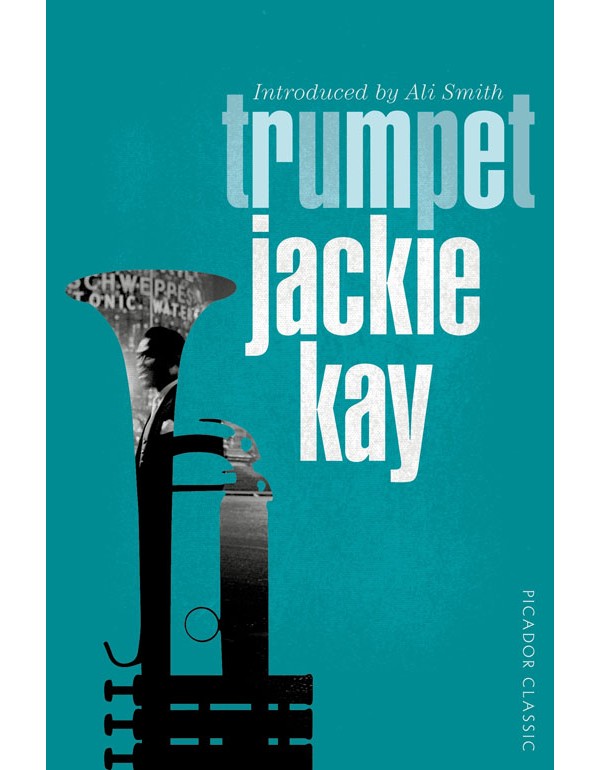
Trumpet

"It was our secret. That's all it was. Lots of people have secrets, don't they? The world runs on secrets. What kind of place would the world be without them? Our secret was harmless. It did not hurt anybody." The secret that Millicent Moody, widow of jazz great Joss Moody, refers to may have been harmless in life, but when Joss dies and the truth is exposed, it ends up affecting more people than she ever imagined. It gives nothing away to reveal right off that Millicent's late husband was, in fact, a woman--something Millie has known all along but that the Moodys' adopted son, Colman, only discovers after his father's death. Titillating as the subject matter initially seems, in Jackie Kay's capable hands Joss's gender-bending becomes almost a side issue in a novel that is, at its heart, concerned with the essential nature of love. Kay tells her story from many different perspectives--the doctor who signs the death certificate, the mortician who prepares the body, the opportunistic biographer looking to make a buck and a name for herself, the musicians who knew Joss--but it is Millicent and Colman who bear the brunt of both the pain and the responsibility for telling the tale. Millie Moody is a tremendously sympathetic character; her love for Joss is so powerful, so right that the reader never questions the decisions this odd couple made in life. "I didn't feel like I was living a lie," Millie tells us. "I felt like I was living a life." Colman, on the other hand, is more difficult to like. Though it's easy to understand his anger and confusion upon suddenly learning that the man he regarded as his father for 30 years was actually a woman, one also has the sneaking suspicion that he wasn't a particularly lovable guy before the revelation, either. Still, by the end of Trumpet, there's hope for Colman, peace of mind for Millie, and a satisfying rendering of love in all its permutations for the reader. --Alix Wilber

Write a review

Note: HTML is not translated!
    Bad             Good